Telephysiotherapy

Telephysiotherapy, also known as telerehabilitation or virtual physiotherapy, is the delivery of physiotherapy services remotely using technology like video conferencing or phone calls. It allows patients to receive assessment, diagnosis, treatment plans, and exercise guidance from a physiotherapist without needing to be physically present at a clinic

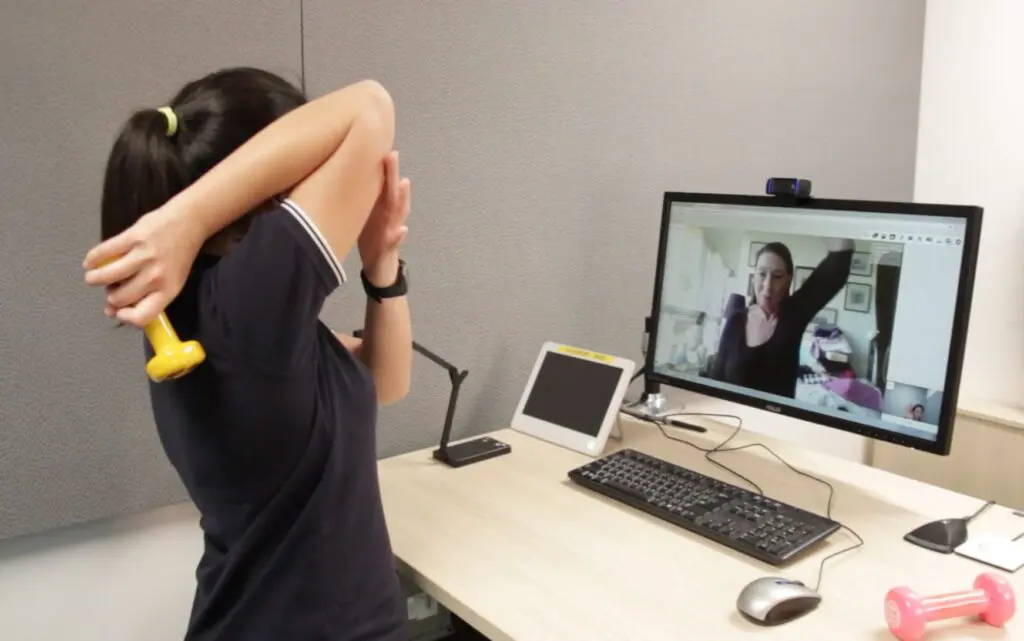
What it involves:

  • Two-way communication:
    Telephysiotherapy utilizes interactive technology, such as video calls and phone calls, to facilitate communication between the patient and the physiotherapist.
  • Assessment and diagnosis:
    Physiotherapists can conduct assessments, including observing movement patterns and asking questions, to determine a patient’s condition.
  • Treatment plans and exercises:
    Therapists can guide patients through exercises, provide education on managing their condition, and adjust treatment plans based on progress.
  • Monitoring and follow-up:
    Telephysiotherapy can be used for ongoing monitoring of a patient’s condition and follow-up appointments. 
 

Benefits of Telephysiotherapy:

  • Increased accessibility:
    It expands access to physiotherapy services for individuals in remote areas, those with mobility limitations, or those facing time constraints.
  • Cost-effectiveness:
    Telephysiotherapy can be more affordable than traditional physiotherapy, as it eliminates travel costs and potentially reduces clinic fees.
  • Convenience:
    It allows patients to receive treatment from the comfort and convenience of their homes.
  • Improved patient outcomes:
    Studies have shown that telephysiotherapy can be effective in managing pain, improving physical function, and enhancing quality of life, particularly for certain conditions.